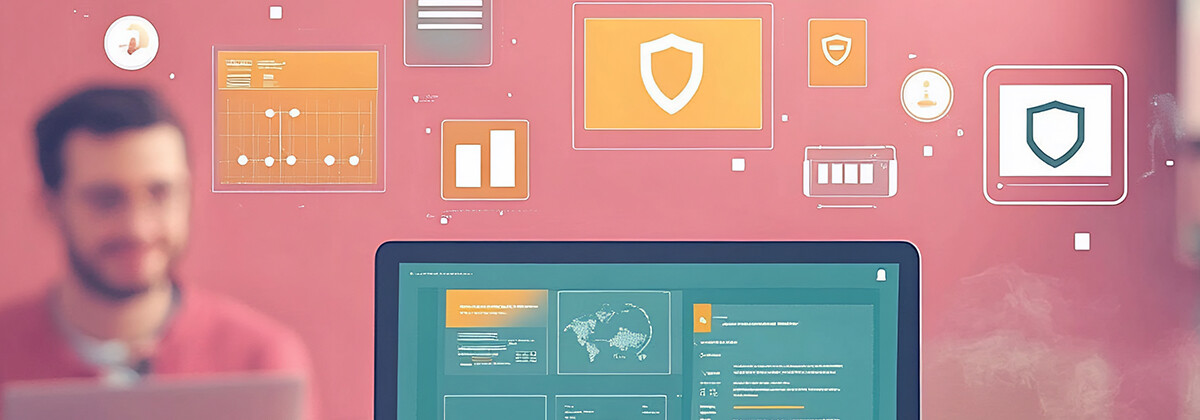

Maximizing Free Antivirus in 2025: Is It Enough to Keep You Safe?
In 2025, digital threats are more sophisticated than ever. From ransomware to phishing attacks, cybe...
Maintaining a clean and secure digital environment is no longer optional. In 2025, cyber hygiene has evolved into a proactive discipline that protects users from increasingly complex threats. At the center of this evolution is modern antivirus software, which plays a critical role in safeguarding privacy, ensuring secure browsing, and supporting overall digital wellness.
Cyber hygiene refers to the routine practices and tools that help users maintain a safe and healthy digital life. Just as physical hygiene prevents illness, cyber hygiene prevents data breaches, identity theft, and system compromise. With the rise of remote work, online banking, and cloud-based services, the need for strong cyber hygiene has never been greater.
Antivirus software is a foundational element of cyber hygiene. It does more than detect and remove malware. Today’s advanced antivirus solutions offer real-time protection, behavioral analysis, and secure browsing features that actively prevent threats before they cause harm.
Modern antivirus tools continuously monitor your system for suspicious activity. This real-time protection helps block viruses, ransomware, spyware, and other malicious programs before they can execute.
Antivirus software often includes browser extensions or filters that warn users about unsafe websites, phishing attempts, and fraudulent downloads. These features reduce the risk of falling victim to online scams.
Many antivirus programs now include privacy-focused tools such as webcam blockers, password vaults, and encrypted file storage. These features help users maintain control over their personal data and prevent unauthorized access.
While antivirus is essential, cyber hygiene involves a broader set of habits and tools. Users must also:
Keep software and operating systems updated
Use strong, unique passwords for each account
Avoid clicking on suspicious links or downloading unknown files
Back up important data regularly
Limit the use of public Wi-Fi for sensitive activities
Combining these practices with reliable antivirus software creates a layered defense that is far more effective than any single tool.
Adopting a modern approach to cyber hygiene offers several advantages:
Reduced risk of malware infections and data breaches
Improved system performance and stability
Greater confidence when conducting online transactions
Enhanced privacy and control over personal information
Whether you are managing a personal device or overseeing a business network, cyber hygiene is a critical part of your digital strategy.
Cyber hygiene in 2025 demands more than basic awareness. It requires the integration of smart tools and consistent habits that protect users from evolving threats. Antivirus software remains a cornerstone of this strategy, offering essential protection and peace of mind. By combining antivirus with responsible digital behavior, users can enjoy a safer, more secure online experience.
Share this post:
Discover the Hottest Fashion News and Trends Straight from the Runway
In 2025, digital threats are more sophisticated than ever. From ransomware to phishing attacks, cybe...
In today's digital environment, relying solely on antivirus software is no longer enough. While ...
In today’s hyper-connected world, cybercrime isn’t just a distant threat—it’...
Disclaimer: ClickNcart hereby declares, with complete transparency and professional responsibility, that all brand names, logos, trademarks, product titles, visual designs, and color schemes featured on this website are the sole property of their respective owners and are displayed strictly for identification and informational purposes. We do not claim any ownership, licensing rights, or proprietary interest in these third-party assets, nor should their appearance be interpreted as an endorsement, affiliation, or official representation. ClickNcart operates as an independent ecommerce store and is a certified reseller of antivirus software through an authorized third-party reseller program with AntivirusSale.com. We are not an authorized representative or official partner of any brand or manufacturer. All software products offered are genuine, licensed, and securely delivered via digital channels. Our operations adhere to all relevant U.S. laws and regulations, including Federal Trade Commission (FTC) guidelines, ensuring ethical conduct, transparency, and accuracy in every transaction. For official support, technical assistance, or brand-specific inquiries, customers are advised to visit the software provider’s official website at us.norton.com.
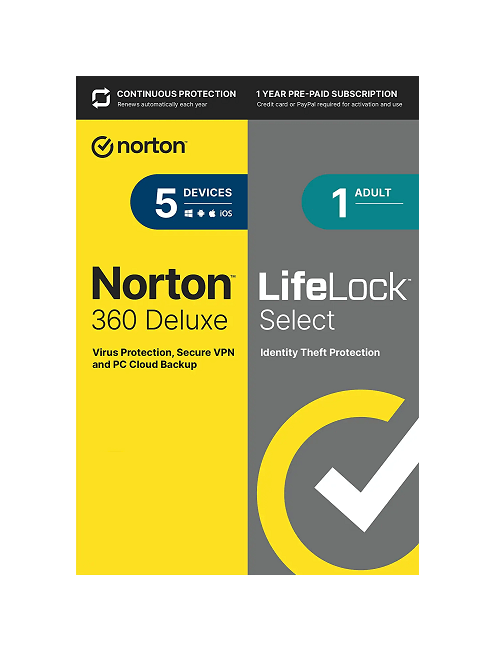
4 people are viewing this right now
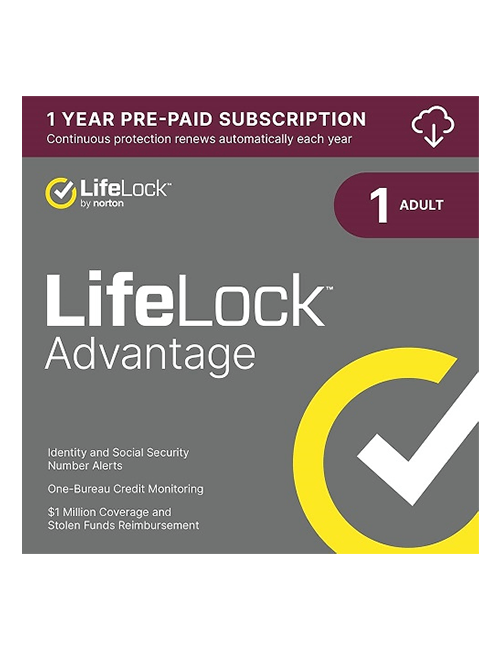
7 people are viewing this right now
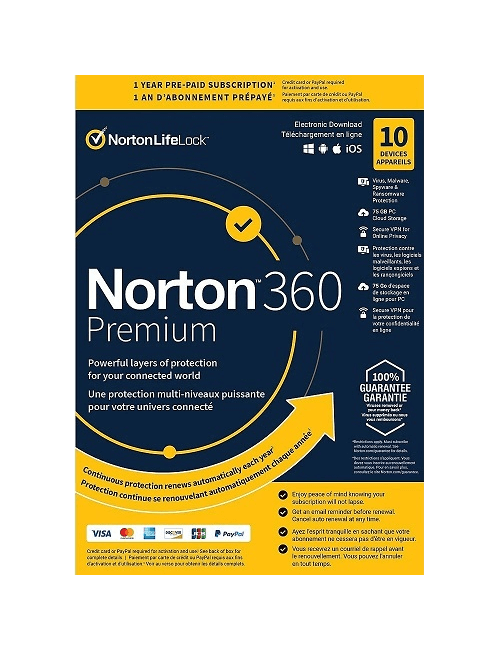
7 people are viewing this right now
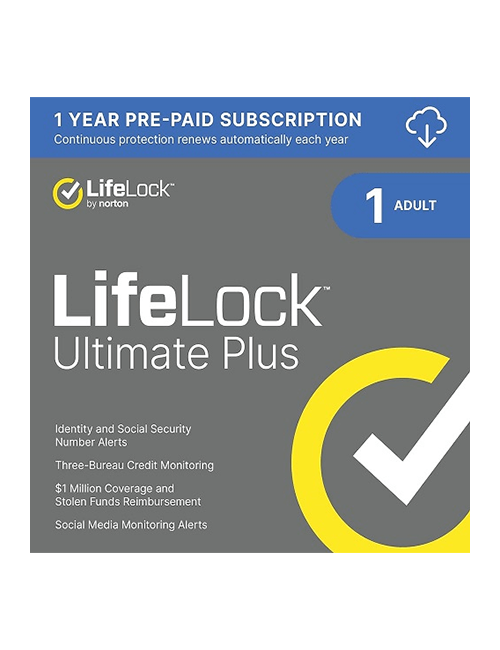
1 people are viewing this right now
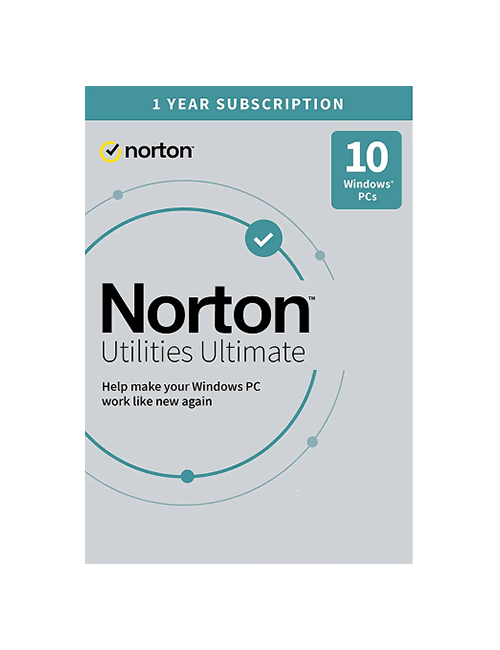
1 people are viewing this right now
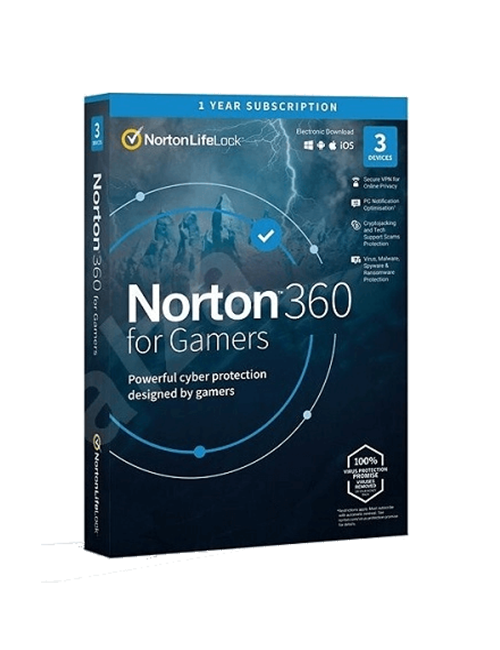
0 people are viewing this right now
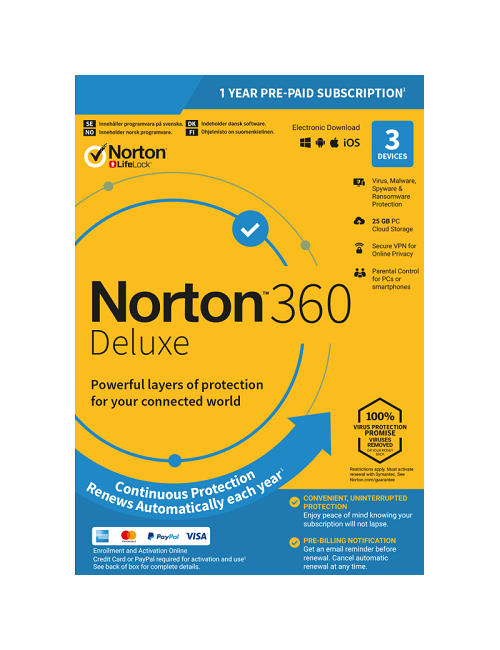
1 people are viewing this right now
0 people are viewing this right now
2 people are viewing this right now

7 people are viewing this right now